A mobile app for a shopping complex on a subscription
Nobody is surprised any more by a subscription to coffee, razors, socks, cars, pet food, software, flowers, books or even cinema tickets.
A subscription to a mobile app for a shopping mall, though, does sound genuinely unusual. Let's weigh up the pros and cons.
How it works
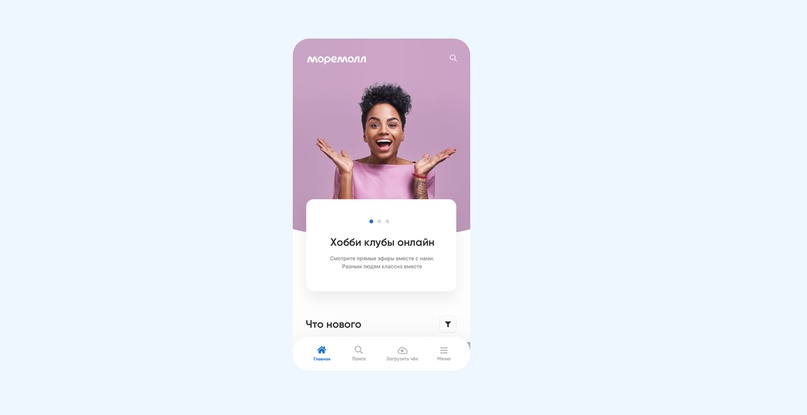
The management company signs an agreement and gets the use of modern mobile apps, published on the App Store and Google Play.
Who owns what
Under the license agreement, all of the software is granted for temporary use. The app's content, however — including the database of users who signed up in it — belongs to the management company renting the software.
In other words, if the decision is made to end the subscription, everything built up along the way stays with the mall.
The financial side
The first thing worth noting is that every mobile app has a shelf life — about three years on average. After that it is out of date, and above all it looks out of date, since design trends shift almost every year.
The cost of building a mobile app varies enormously — from a few hundred thousand to several million rubles. And bear in mind that once it is live you will be paying for support and updates.
With a subscription the payments are spread evenly across the whole period you use the app, and maintenance and updates are included in the price.
Put three years of building and supporting your own app next to three years of renting an equivalent one, and the numbers come out comparable.
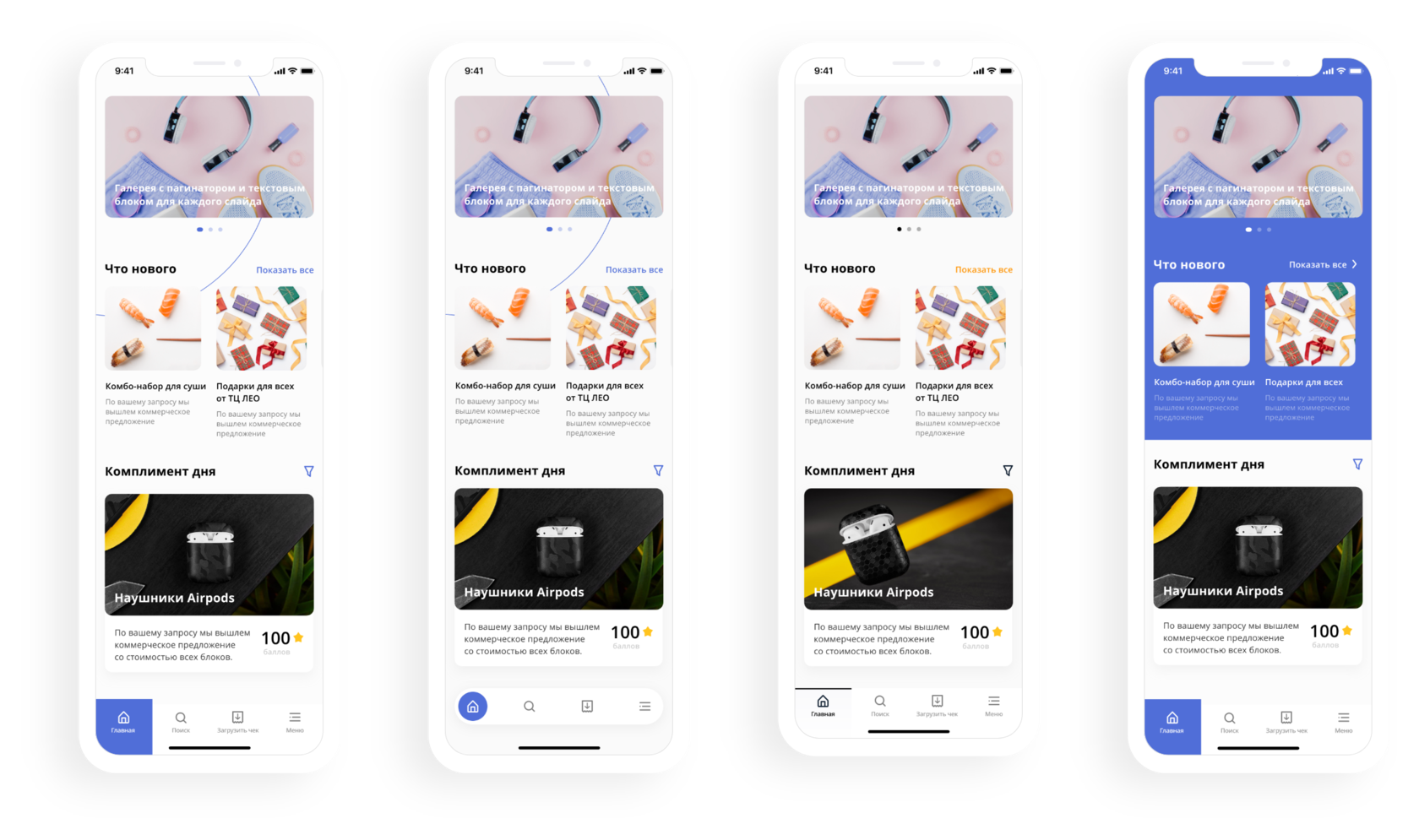
A subscription, though, rules out looking dated — simply because you can pick a new interface from the catalog, free once a year, and end up with an entirely new app.
Flexibility
It is worth understanding that the price of the subscription depends on which modules are switched on. If you want to keep costs down, leave only the essentials. If you want more capability, add sections and services.
Modules can be switched on and off at any time, though no more than once a month.
Walking away from the subscription
But how do you walk away from the subscription? The apps are already installed on people's devices, and publishing and promoting a different mall app is expensive and slow.
A dead end? Not at all. Not everyone knows this, but replacing one mobile app with another takes nothing more than the signing keys. Users simply receive another update to the app they already have; when they open it, they find the new app in place of the old one.
That removes any so-called vendor lock-in and leaves the management company free of constraints down the line. The one thing that matters is that the app's signing keys are handed over to the management company from the outset.
In summary
Pros:
- 1Fast. No development to manage. No specification to write. No delivery risk to carry.
- 2Affordable. No development budget required — manageable monthly payments instead.
- 3Never dated. Being able to swap in a more modern interface keeps the app current indefinitely.
Cons:
- 1Less individuality. Addressed by the choice of interfaces in the catalog and by adapting it to the mall's brand colors.
- 2Dependence on the subscription. If the management company holds the signing keys to its app, there is no dependence at all.
- 3Data stored in the cloud. A custom-built mobile app pulls its data from the cloud as well. On this point there is simply no difference.